


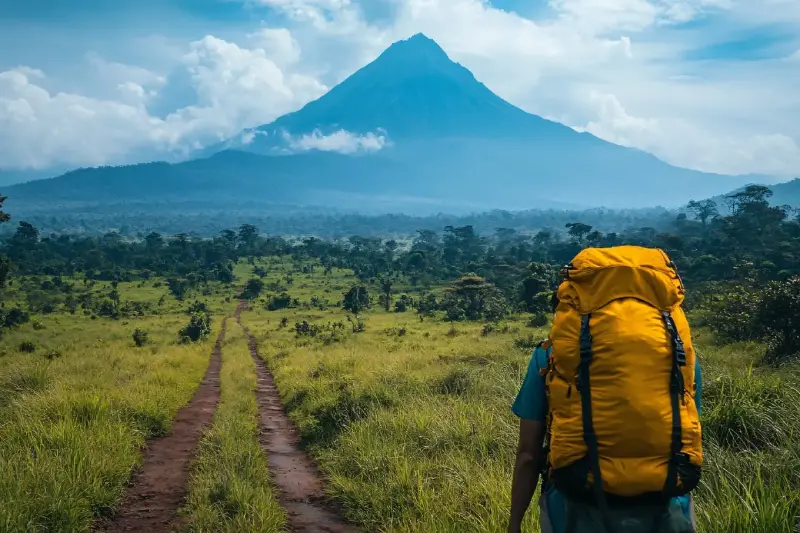
Looking for a vacation that nurtures both your soul and the planet? Eco travel is more than just a trend; it’s a commitment to discovering the world while treading lightly and leaving places even better than you found them. As we step into 2025, an exciting array of destinations is emerging, dedicated to sustainability, community engagement, and the preservation of natural beauty. Pack your reusable water bottle and sense of adventure as we explore the best eco travel destinations to visit this year.
Costa Rica: Pioneering Green Tourism
Costa Rica remains a global leader in sustainable travel and biodiversity. Over a quarter of its land is protected in national parks and reserves, harboring everything from steamy volcanoes to pristine cloud forests. The country has put strict environmental regulations in place, and many of its luxury lodges are run entirely on renewable energy sources like hydroelectric and solar power.
What makes Costa Rica particularly inviting for eco-conscious travelers is the chance to participate in conservation firsthand. Visit the Osa Peninsula, where eco-lodges like Lapa Rios not only employ local guides but also actively participate in reforestation projects. Volunteer programs allow visitors to help protect nesting sea turtles along the Caribbean coast or to plant native trees in degraded areas. For thrill-seekers, ziplining through the Monteverde Cloud Forest or white-water rafting on the Pacuare River provides a bit of adrenaline with minimal environmental footprint.
Slovenia: Europe’s Small-Scale Sustainability Success
Tucked between Italy and Croatia, Slovenia has swiftly risen through the ranks as the green heart of Europe. The capital city, Ljubljana, is car-free in its central core and has won multiple awards for its eco-friendly initiatives. Venture beyond the city, and the entire country seems to breathe sustainability: think electric trains, organic farm stays, and countless cycling and hiking trails through wine country and Alpine valleys.
One of Slovenia’s unique offerings is the Green Scheme certification, a program that helps travelers identify genuinely sustainable accommodations and experiences. Take a slow food tour through the Soča Valley or paddle a kayak along the emerald-green waters of Lake Bled. With its commitment to green infrastructure and community-based tourism, Slovenia shows that even small countries can make a big impact.
Bhutan: High-Value Low-Impact Travel
Nestled in the Eastern Himalayas, Bhutan is celebrated not just for its dramatic landscapes but also for its ‘Gross National Happiness’ philosophy. The country has pursued a strategy of high-value, low-impact tourism, capping visitor numbers and requiring a daily fee that helps fund environmental protection and the well-being of local communities.
All visitors must travel through licensed Bhutanese tour operators, ensuring that their trips contribute directly to the nation's sustainable development. Take part in traditional farming in the Paro Valley, join local festivals that showcase the kingdom’s vibrant culture, or trek the snow-capped peaks with expert guides who’ll share their deep respect for nature. Bhutan’s pristine forests, which cover over 70% of the country, act as a living testament to long-term conservation efforts.
New Zealand: Adventure With Conservation at Its Heart
Few places blend outdoorsy thrills with responsibility like New Zealand. From geothermal wonders in Rotorua to the ancient forests of Fiordland National Park, the country’s diverse habitats are zealously protected. Stringent biosecurity measures greet visitors at the border, reflecting the nation’s intense pride in its unique flora and fauna.
Eco-lodges dot the North and South Islands, promoting practices like waste reduction and energy conservation. The island nation is also home to dozens of community-run wildlife sanctuaries, where endangered kiwis and tuataras are nursed back into robust populations. Whether you’re kayaking Milford Sound or hiking the Tongariro Alpine Crossing, you’ll find local operators prioritizing environmental education and minimum-impact touring.
Kenya: Wildlife Conservation Beyond the Safari
Kenya is famous for the Great Migration, but its eco efforts stretch far beyond traditional safari. Community-based conservancies, particularly in the Laikipia and Maasai Mara regions, partner with indigenous groups to protect landscapes and support livelihoods. Staying at lodges like the award-winning Ol Pejeta Conservancy means your fees contribute to rhino protection, anti-poaching patrols, and health clinics for local villages.
Kenya’s emphasis on ethical wildlife encounters extends to marine environments, too. Eco-certified resorts along the Watamu coast work to rehabilitate coral reefs and run turtle rescue programs. Visitors can snorkel in protected waters, volunteer with conservationists, or join educational walks to learn about the complex relationships between people, animals, and the land.
Emerging Destinations: Off the Beaten Green Path
Looking for somewhere less expected? Estonia’s wild bogs and primeval forests are a haven for nature enthusiasts wanting a quieter escape. The Setomaa region in southern Estonia, for example, offers “digital detox” retreats that champion forest bathing and sustainable local cuisine. Meanwhile, Brazil’s Pantanal is pioneering sustainable wetland tourism, allowing visitors to observe jaguars and giant river otters while supporting habitat restoration projects.
Japan, too, has seen a surge in eco-initiatives, with rural villages reinventing traditional hospitality (ryokan) by integrating solar panels, organic kitchens, and zero-waste policies—perfect for travelers seeking a mindful immersion in culture and sustainability.
As 2025 unfolds, these innovative destinations stand out not just for their beauty but for their holistic approaches to travel, nature, and community. Choosing eco travel isn’t just a passport stamp; it’s a promise to the places and people you meet along the way. Let your adventures be a force for good—both for today’s world and the generations yet to explore it.